Why Dental Crowns Are Used After Large Fillings
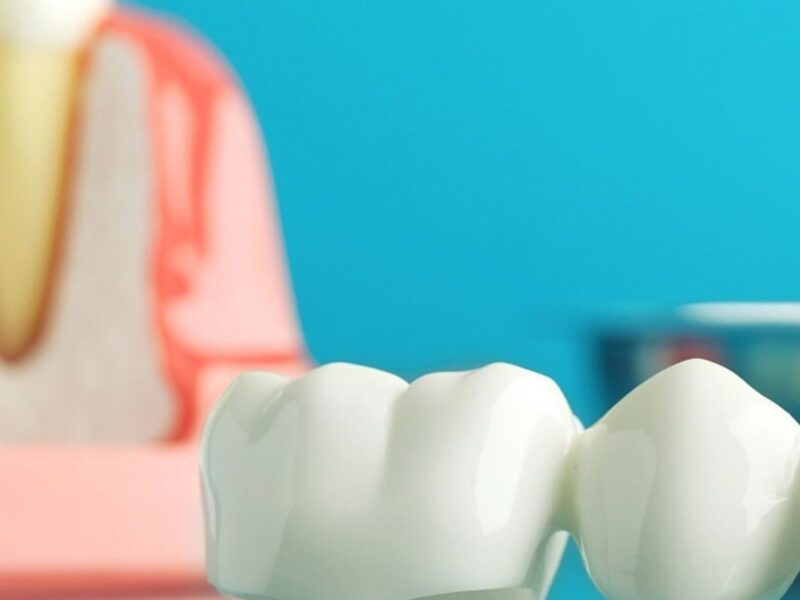


A large filling can save a tooth, but it can also change that tooth in ways patients do not always see at first. What looks like a simple repair from the outside may leave the remaining enamel and dentin thinner, weaker, and more likely to crack under pressure. That is the main reason dentists often recommend Dental Crowns after a large filling. The goal is not to upsell a bigger treatment. It is to protect a tooth that has already lost a significant amount of its original structure.
This comes up often in everyday practice. A patient may feel surprised when they hear, “The filling went well, but this tooth may need a crown.” From their point of view, the problem has been fixed. The cavity is gone, the tooth no longer traps food, and they may not have any pain. From the dentist’s point of view, the more important question is what happens over the next five or ten years when that tooth handles thousands of chewing cycles every week.
A tooth is strong when it is whole. Once decay, old restorations, fractures, or root canal access remove enough of the natural structure, the engineering changes. The tooth begins to flex more. Cusps, which are the pointed chewing parts of back teeth, can split. Tiny cracks can deepen. A piece can break off during an ordinary meal, sometimes on something as soft as bread with seeds or a piece of chicken.
That is the practical background behind the recommendation for a crown after a large filling. It is not just about covering a tooth. It is about redistributing biting forces and lowering the chance of a more serious failure.
What a large filling really means
“Large” does not always refer to what a patient can see in the mirror. It usually means a filling that replaces a substantial portion of the tooth, especially on a premolar or molar. These back teeth take the brunt of chewing forces. They also tend to have grooves where decay begins and old silver or tooth-colored fillings that have been in service for years.
When a dentist removes decay, they also remove any unsupported, weakened tooth structure around it. A cavity may start small on the surface but spread underneath. By the time the tooth is cleaned out and shaped so the filling will seal properly, the final restoration may involve one side of the tooth, two sides, or much of the chewing surface. If an old filling is being replaced, there may also be hidden breakdown or crack lines underneath.
In practical terms, a tooth with a very large filling is no longer mostly tooth. It becomes partly tooth and partly restorative material. Fillings are useful and often durable, but they do not behave exactly like natural enamel. Enamel is extremely hard and arranged in a way that supports the shape of the tooth. A filling restores space. It does not fully recreate the original architecture.
That distinction matters.
Why back teeth break after big fillings
Most problems happen in molars and premolars because they absorb heavy force, often from multiple directions. Every time you chew, especially if you grind or clench, those forces try to push the cusps apart. In a healthy tooth, the outer enamel shell helps keep everything braced together. In a tooth with a large filling, that shell may be reduced or interrupted.
A simple way to picture it is to imagine a ceramic mug with a chip taken out near the rim. It may still hold liquid, but it is more vulnerable if pressure hits the weakened area. Teeth are more complex than mugs, of course, because they flex microscopically, but the concept is similar. Once enough structure is missing, the tooth becomes more fracture-prone.
This is why a large filling can be the beginning of a new phase for a tooth, not the end of treatment planning. The filling solves decay and restores function in the short term. The crown may be what protects the investment long term.
Dentists often see the pattern repeat itself. A patient gets a large filling and does well for a while. Then a cusp breaks. The break may be minor and fixable, or it may run deeper under the gumline. Once the fracture extends too far, options become more limited and more expensive. Sometimes what could have been managed with a crown turns into a root canal and crown. Sometimes it becomes an extraction and implant conversation.
That is the tension in treatment planning. Not every large filling requires a crown immediately, but waiting carries risk, and the amount of risk depends on the tooth.
Fillings repair, crowns reinforce
A filling and a crown do different jobs.
A filling fills a defect. It replaces the part of the tooth lost to decay, wear, or an old restoration. It is conservative and valuable because it preserves as much natural tooth as possible. For small to moderate cavities, that is often the best treatment.
A crown covers and protects the visible part of the tooth. It acts like a custom-fitted cap that surrounds the damaged tooth on all sides and over the chewing surface. By doing that, it helps hold the remaining tooth together and spread biting forces more evenly. That is why Dental Crowns are often recommended when a tooth is structurally compromised rather than merely decayed.
This distinction becomes especially important when the tooth has thin remaining walls. A filling bonds into the tooth, which helps, but if the cusps are already weak, the filling alone may not prevent them from splitting off. A crown changes the way the entire tooth handles pressure.
In plain language, a filling patches. A crown braces.
The tipping point, when a filling is no longer enough
There is no single measurement that automatically means crown. Dentistry is not that mechanical. Dentists look at the whole picture, including how much tooth remains, where the filling is located, how the patient bites, whether there are visible cracks, and whether the tooth has had previous treatment.
Still, there are patterns that push a tooth closer to needing a crown:
- the filling covers a large part of the chewing surface
- one or more cusps are thin, undermined, or already cracked
- the tooth has a history of multiple replacements of older fillings
- the patient clenches or grinds, especially at night
- the tooth has had root canal treatment or a fracture
A lower first molar with a wide old silver filling, for example, often becomes a crown candidate because those restorations can hide fracture lines and leave very little sound tooth at the edges. A small front tooth filling is a very different scenario. Front teeth usually experience lighter chewing force and are treated with different priorities, including appearance.
Judgment matters here. A dentist is not simply measuring the size of the cavity. They are estimating the tooth’s future under real use.
Why root canal teeth so often get crowns
One of the strongest associations in dentistry is the link between root canal treatment and crowns on back teeth. Patients sometimes assume the crown is needed because the tooth is “dead.” That is not quite the right explanation. The bigger issue is structural loss.
A tooth that needs root canal treatment has often already been through major decay, a deep filling, a crack, or trauma. The root canal procedure itself also requires an access opening through the top of the tooth. By the end of treatment, the tooth may be hollowed out more than it was before. The nerve has been removed, but what really changes the fracture risk is the amount of missing tooth structure.
Back teeth after root canal treatment can become brittle in a practical sense, not because the tooth instantly turns dry or lifeless, but because so much of the reinforcing structure has been lost. Without cusp coverage, they are far more likely to split. That is why dentists frequently recommend crowns for molars and premolars after root canal treatment.
In daily practice, some of the saddest failures are root canal teeth that felt fine for months, then cracked vertically before they were crowned. Once a vertical root fracture develops, the tooth is often not salvageable.
Why materials matter, but not as much as structure
Patients often ask whether a stronger filling material can avoid the need for a crown. It is a fair question. Modern resin composites can bond well and look natural. Inlays and onlays can also provide more coverage than standard fillings. Material choice matters, but it does not erase the structural problem.
If the remaining tooth walls are too thin, the strongest filling material still sits inside a weakened shell. A beautifully bonded restoration cannot always overcome unfavorable mechanics. It can help, sometimes significantly, but it cannot guarantee the cusps will not fracture.
This is where onlays Dental Crowns can be a useful middle ground. An onlay covers one or more cusps but not the entire tooth like a full crown. For the right case, it can preserve more natural structure while still adding protection. Dentists who value conservative care often consider onlays when the damage is substantial but not severe enough to demand a complete crown.
The key is selecting the right restoration for the right tooth, not applying the same answer to every cavity.
Cracks change the conversation
Cracks are one of the biggest reasons a large filling becomes a crown case. Some cracks are superficial and harmless. Others extend into dentin or create symptoms when biting and releasing pressure. A patient may describe a “zing” when chewing on one side, or difficulty pinpointing which tooth hurts.
The problem with cracks is that they rarely improve on their own. Under continued force, they often deepen. A crown can sometimes help by binding the tooth together and reducing flex. It does not make every crack disappear, and it does not guarantee the crack has not already gone too far, but in many cases it lowers the odds of further propagation.
Timing matters. A cracked tooth treated early may settle down with a crown and remain comfortable for years. A cracked tooth treated late may progress to needing root canal treatment or extraction. That is one reason dentists take symptoms like “pain on release” seriously, even if the x-rays do not show a dramatic problem.
Why the patient may feel fine and still need a crown
Pain is not a reliable guide to structural weakness. Teeth can have large restorations, hidden cracks, and dangerously thin cusps without hurting much at all. The nerve responds to decay, inflammation, and major fracture events, but it does not always warn the patient before a cusp breaks.
That can make crown recommendations hard to accept. If there is no pain, and the filling is already done, the need for another procedure can seem abstract. Dentists often have to explain a preventive concept in a setting where the patient feels no urgency.
This is similar to replacing worn tires before a blowout rather than after. The cost and effort feel easier to postpone when the immediate problem is not obvious. But once failure happens, the repair usually becomes more complicated.
A careful explanation often helps. When patients understand that the recommendation is based on preserving what is left of the tooth, not adding unnecessary treatment, the logic becomes clearer.
Cost, timing, and the temptation to wait
There is no avoiding the fact that crowns cost more than fillings. They also take more time and planning. For many patients, that is the central issue. If the tooth is functional now, delaying the crown can feel reasonable.
Sometimes that delay is manageable. Sometimes it is risky.
A dentist may place a large filling and advise that a crown should follow soon, particularly if the tooth has thin cusps, crack lines, or root canal treatment. In those situations, the filling is often best understood as a necessary part of the repair, not the final protective step. The patient can wait, but the tooth remains vulnerable while they do.
The harder cases are the ones where the break happens during the waiting period. If the fracture is small, the plan may still proceed to a crown. If the break extends below the gumline, the tooth may become difficult or impossible to restore. Financially, postponing a crown can save money in the short term but create far more expense if the tooth fails.
That does not mean every patient should rush into treatment without discussion. Good dentistry involves transparency about urgency. Some teeth truly need prompt full coverage. Others can be monitored for a period with informed consent. The right recommendation depends on the anatomy, the bite, the symptoms, and the level of risk.
What dentists look for before recommending full coverage
The decision is rarely based on one factor alone. Dentists typically combine what they see clinically with x-rays, the patient’s history, and how the tooth functions in the bite. A tooth with two missing cusps and a deep old filling in a heavy grinder is very different from a tooth with a wide but shallow filling in someone with a gentle bite.
They also pay attention to where the tooth sits in the mouth. Upper premolars, for instance, are classic fracture candidates because of their shape and the way forces travel through them. Molars with broad restorations are also frequent crown cases. Front teeth are assessed differently because esthetics, shear forces, and available bonding surface all play different roles.
When dentists tap on a tooth, test the bite, inspect transillumination, or look for wear facets, they are gathering clues. None of those clues alone decides the treatment. Together, they help estimate whether the tooth can keep functioning with a filling or whether it needs the added support of a crown.
What happens during crown treatment
For patients who have never had one, the process matters almost as much as the rationale. A crown appointment usually involves shaping the tooth so the final restoration can fit over it properly. If there is an old filling, unsupported enamel, or decay left, those are addressed first. In many cases, the dentist may build up part of the tooth internally before preparing it for the crown.
An impression or digital scan is then taken, and a temporary crown is placed if the final one is being made in a lab. At a later visit, the permanent crown is checked for fit, bite, contour, and appearance before being cemented or bonded.
Same-day crowns can shorten this process in some offices, though they are not ideal for every case. What matters most is not whether the restoration is delivered in one visit or two. It is whether the tooth is properly evaluated, well prepared, and restored in a way that protects the remaining structure.
Living with a crowned tooth
A properly done crown should feel ordinary after a brief adjustment period. Patients often notice some sensitivity around the gumline or to cold for a few days or weeks, though many have none. Biting may feel slightly unfamiliar until the mouth adapts. If the bite feels high, a simple adjustment usually solves it.
Crowns are not indestructible. They can Dental Crowns chip, loosen, or wear over time. The tooth underneath can still develop decay at the margin if home care is poor. But a well-made crown on the right tooth often provides years of service and substantially lowers the risk of cusp fracture compared with leaving a heavily restored tooth unprotected.
Maintenance remains straightforward. Brushing, flossing, and routine dental reviews still matter. Patients who grind their teeth may be advised to wear a night guard, since no restoration performs well under constant excessive force.
The balance between conservative care and preventive protection
There is a healthy tension in dentistry between preserving tooth structure and preventing future breakage. No thoughtful dentist wants to place crowns unnecessarily. Crowns require more reduction of the tooth than fillings do, so recommending one carries responsibility. At the same time, refusing to crown a high-risk tooth in the name of being “conservative” can backfire if the tooth later fractures beyond repair.
That balance is where experience shows. The best decisions are not driven by habit or salesmanship. They come from understanding biomechanics, restoration history, bite forces, and the patient’s practical circumstances.
A younger patient with a large filling but thick remaining cusps and excellent enamel may be a candidate for a bonded onlay or careful monitoring. An older molar with a broad replacement filling, crack lines, and heavy wear is a different story. Both cases involve large fillings, but they do not deserve identical treatment.
When a second opinion makes sense
Patients are entitled to understand why a crown is being recommended, especially if the tooth does not hurt. A good explanation should be specific. “Because the filling is large” is a start, but not enough. More useful reasoning sounds like this: the tooth has lost both side walls, the remaining cusp is thin, there is a visible crack, and your bite puts heavy pressure on that area.
If the rationale still feels unclear, a second opinion is reasonable. Competent dentists may differ on timing or whether an onlay could work instead of a full crown, but they should generally agree on the basic structural risks. The goal is not to shop for the smallest treatment at any cost. It is to confirm that the recommendation fits the condition of the tooth.
The real purpose of a crown after a large filling
When people hear the word crown, they sometimes think of it as a more dramatic or more advanced version of a filling. That misses the real point. A crown is often used after a large filling because the issue has shifted from replacing lost material to protecting what remains.
That distinction matters for long-term tooth survival. Large fillings restore function, but they can leave a tooth vulnerable. Dental Crowns are used when the remaining tooth needs reinforcement against fracture, especially in heavily loaded back teeth, in cracked teeth, and after root canal treatment. The crown does not erase every risk, but it can significantly improve the odds that the tooth stays intact and serviceable.
For many patients, that is the difference between a repair that merely works today and one that still works years from now.
Simple Dental South Gate
Address: 8617 California Ave, South Gate, CA 90280
Phone number: +13236896118
FAQ About Dental Crowns
How much do crowns cost per tooth?
In the United States, a single dental crown typically costs between $800 and $2,500 per tooth without insurance. The ultimate out-of-pocket price depends heavily on the crown material, the location of the tooth, and whether you have dental insurance coverage.
What is the downside of crowns on teeth?
The primary downside of a dental crown is that the procedure permanently removes natural tooth enamel to shape the tooth for the cap.
Why do dentists push for crowns?
Dentists recommend crowns because a large filling cannot provide enough strength when a tooth loses a major portion of its structure or faces heavy chewing pressure.
Ends · CASHIBPI927